
Loading...
Serving Jupiter, FL and surrounding areas. (728) 221-1197
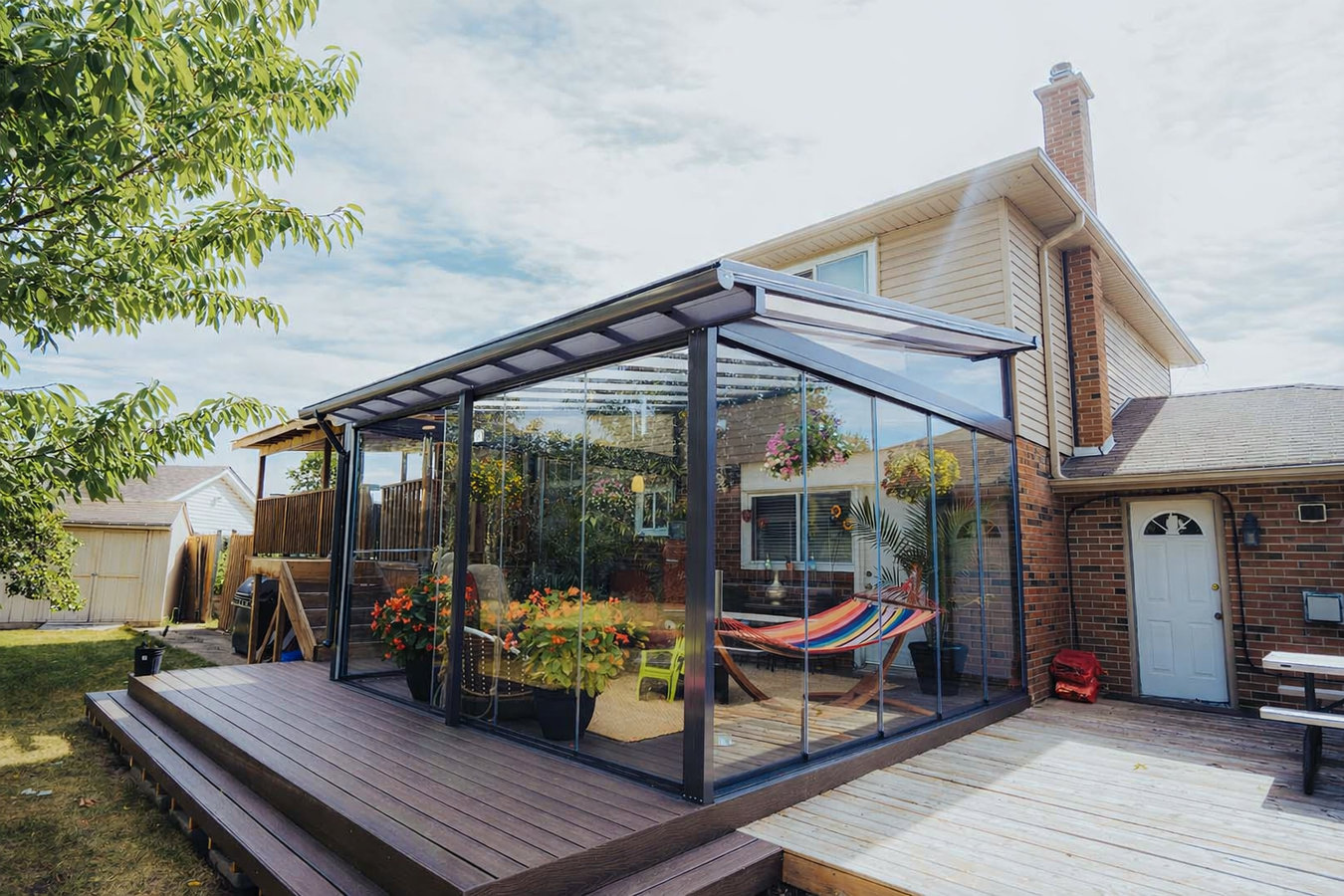
Jupiter Lanai Sunrooms & Patios serves Juno Beach with patio enclosures, screen rooms, and sunroom additions specified for coastal salt-air conditions and built to Palm Beach County wind-load code. We reply within one business day.
In Juno Beach, an open patio takes a real beating from summer storms, salt air, and UV exposure - and it stays largely unusable from June through September. A properly built patio enclosure using coastal-appropriate materials turns that space into something functional year-round, without the corrosion and frame degradation that comes from using inland-spec hardware at the beach.
Screened enclosures are especially important in Juno Beach because the coastal location means insects are active year-round, and no-see-ums come in off the water in the evening. A screened lanai or pool enclosure with heavier-weight mesh holds up better against coastal winds and gives you outdoor air without the bugs.
Juno Beach homes often have great views toward the Intracoastal or the Atlantic, and a four season sunroom with floor-to-ceiling insulated glass lets you enjoy that view without the heat, humidity, and salt air that come with simply opening a door. It is a practical upgrade for homeowners who want to get more daily use out of a coastal property.
Many Juno Beach homes were built in the 1970s through 1990s on modest lots, and a sunroom addition is one of the most effective ways to add livable square footage without a full addition. At Juno Beach property values, adding a properly permitted enclosed room has a real impact on the home's appraised value.
Vinyl framing is a practical choice for Juno Beach because it does not corrode in salt air the way untreated aluminum can over time. For homeowners who want a low-maintenance enclosure that holds up in a coastal environment without constant repainting or re-coating, vinyl frame systems are worth the conversation.
A solid attached patio cover is a common first step for Juno Beach homeowners before committing to a full enclosure. It provides shade and rain protection, reduces heat against the house wall, and keeps outdoor furniture and surfaces in better condition under the intense coastal sun.
Juno Beach is a narrow coastal town squeezed between the Atlantic Ocean and the Intracoastal Waterway, which means nearly every home in town is exposed to salt air on a daily basis. Salt air is hard on exterior structures. It attacks metal fasteners, corrodes aluminum frames, and degrades screen mesh faster than the same materials would wear in an inland location. A contractor working in Juno Beach needs to specify the right hardware from the start - marine-grade fasteners, powder-coated or anodized frames, and heavy-weight screen mesh - because swapping them out after installation costs far more than getting them right the first time.
The housing stock here also presents specific structural considerations. Most Juno Beach homes are concrete block construction from the 1970s through the 1990s, and many have not had their existing slabs or roof edges inspected in years. Before attaching any new enclosure or sunroom structure, the existing concrete and attachment points need to be assessed. South Florida building code requirements, which account for coastal wind loads, add another layer that contractors unfamiliar with coastal Palm Beach County construction sometimes underestimate.
Our crew works throughout Juno Beach regularly, and we understand the local conditions that affect sunroom contractor work here. Juno Beach is an unincorporated municipality in Palm Beach County, so permits are filed through the Palm Beach County Building Division rather than a city building department. We know the county process, the typical review timelines, and what documentation is needed to move a Juno Beach project through the system efficiently.
Juno Beach is a small, mostly residential town running along A1A between Jupiter to the north and North Palm Beach to the south. Most homes are on the ocean or Intracoastal side of A1A or just a block or two inland. The well-known Loggerhead Marinelife Center sits right on the beach here, and Donald Ross Road is the main connection to Palm Beach Gardens and the broader county. We work on homes throughout the town, from oceanfront properties to the quieter streets set back toward the Intracoastal.
We also serve homeowners in the neighboring communities of North Palm Beach to the south and Tequesta to the north. If you are near the Juno Beach-Jupiter border or in North Palm Beach, we cover your area on the same schedule.
Call or send us a message and we reply within one business day. We schedule a time to see your Juno Beach property and talk through what you want to do - no obligation, no rush.
We assess the existing slab, structure, and coastal exposure at your property and provide a written itemized estimate. For Juno Beach homes, we specifically evaluate the hardware and material specs needed for the salt-air environment - so the price you see is the price for a structure that will actually last.
We file the Palm Beach County building permit and handle all required documentation. Once approved, we give you a project start date and keep you informed of any timeline changes from the county review office.
We build on schedule, pass the required county inspections, and walk you through the completed space before closing out the permit. You receive a clean project with no open permit issues on your Juno Beach property record.
We understand coastal construction in Juno Beach and reply within one business day. No pressure, just a written estimate you can count on.
(728) 221-1197Juno Beach is a small coastal town of roughly 3,600 residents in northern Palm Beach County, situated on a narrow barrier island between the Atlantic Ocean and the Intracoastal Waterway. Juno Beach is almost entirely residential - the town has very little commercial development, which gives it a quiet, neighborhood feel that draws long-term owner-occupants. Home values are among the higher ones in Palm Beach County, and the community centers around its coastal identity, with the Loggerhead Marinelife Center and Juno Beach Pier serving as the main gathering points for residents and visitors.
Most homes in Juno Beach were built between the 1970s and the 1990s on modest lots, with single-family residences making up the bulk of the housing stock. Concrete block construction with stucco exteriors is the standard, and many properties have screened pools or lanais that were original features of the home. The town runs along A1A between Jupiter to the north and North Palm Beach to the south. Residents travel Donald Ross Road west to reach Palm Beach Gardens, where most of the major shopping, medical, and employment centers are located. We also serve Palm Beach Gardens and can handle projects on either side of the Juno Beach border without a gap in service.
Glass solarium installations that flood your home with natural light.
Learn MoreFree estimates for all Juno Beach patio enclosures, screen rooms, and sunroom additions - coastal-grade materials, Florida code-compliant builds, and replies within one business day.