
Loading...
Serving Jupiter, FL and surrounding areas. (728) 221-1197
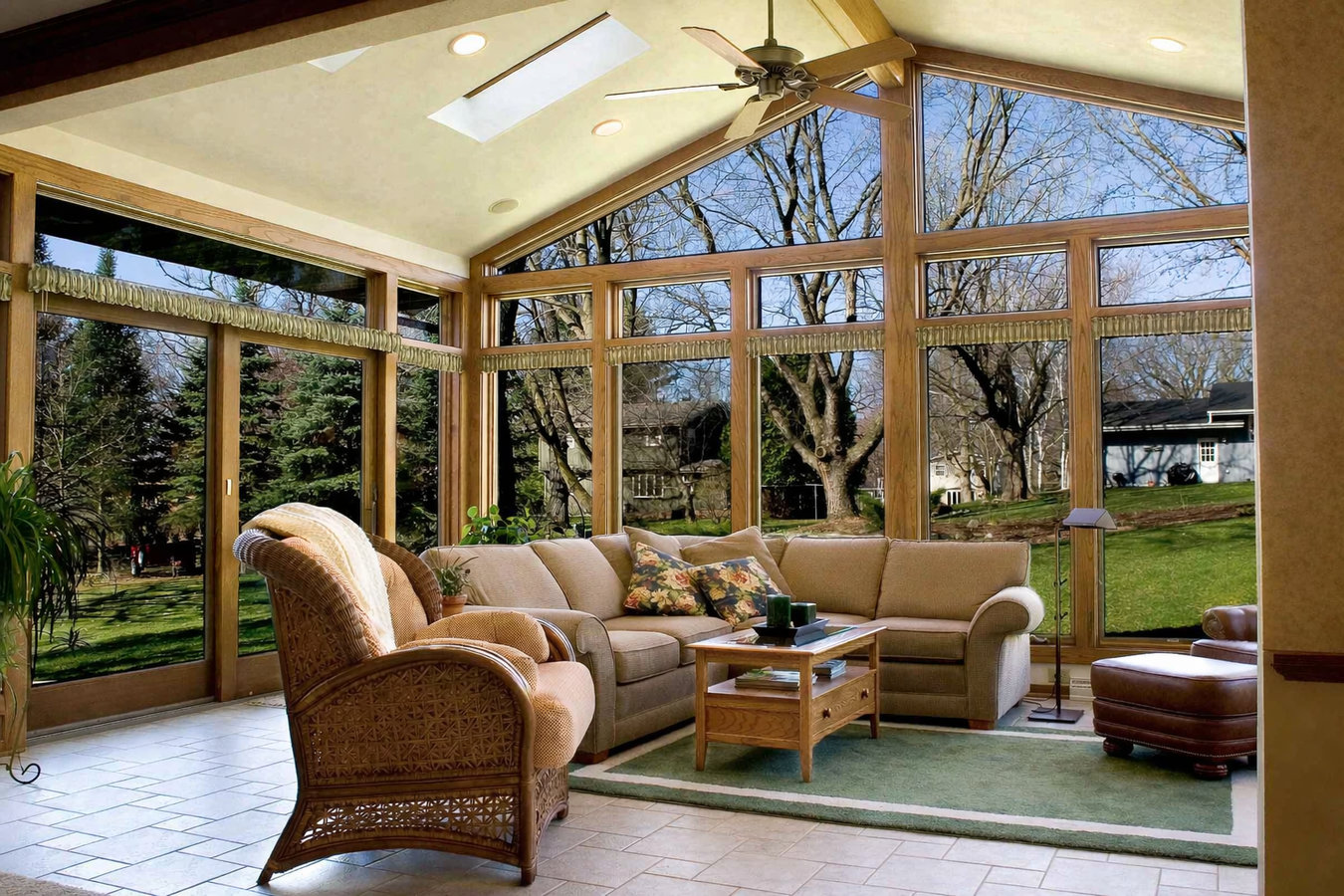
Your deck sits empty most of the year. We enclose it into a permitted, climate-controlled sunroom - with a full structural assessment of the existing framing before a single wall goes up.
Your deck sits empty most of the year. We enclose it into a permitted, climate-controlled sunroom - with a full structural assessment of the existing framing before a single wall goes up.
A deck-to-sunroom conversion in Jupiter, FL encloses an existing outdoor deck with walls, windows, insulation, and a roof to create a livable, weather-protected room - most construction phases run three to six weeks once permits are in hand, with a total project timeline of ten to eighteen weeks including engineering drawings, permit review, and any HOA approval needed before work can begin.
Converting a deck is different from converting a concrete slab. The deck's posts, beams, and footings need to be assessed before any walls go up - residential decks are typically built to support outdoor furniture and foot traffic, not the added weight of a roofed, glass-enclosed structure. We do that assessment as part of the free site visit and tell you what can be reused and what needs reinforcement before a contract is signed. If you are starting from a ground-level slab rather than a raised deck, our patio-to-sunroom conversion service covers that path with a similar process tailored to slab-based construction.
Call us or submit a free estimate request and we will come look at your deck in person. There is no cost and no obligation - just an honest look at what is possible and a written proposal that breaks down every cost before any work begins.
If you walk past your deck every summer morning and never actually use it because the heat and humidity make it unbearable, that is the clearest sign a sunroom conversion would change how you live in your home. Jupiter's summers are long and intense, and a shaded, air-conditioned room that still feels connected to the outdoors solves that problem completely. The space stops being seasonal and starts being part of your daily routine.
Pressing down on deck boards and feeling them flex more than they should, or seeing dark staining around fasteners and joints, usually means moisture has gotten into the wood. In Jupiter's climate, this kind of decay moves faster than most homeowners expect - what looks like a surface stain can be hiding rot that goes several inches deep. Getting the structure assessed now, before enclosure, is far less expensive than discovering the problem mid-project.
If your deck is large enough to be a real room but you are only using it a few months a year, you are leaving livable space on the table. Many Jupiter homeowners find that converting a 200 to 300 square foot deck into a sunroom adds a home office, a reading room, or a casual dining space they use daily - without the cost or disruption of building a full addition where none exists today.
If you dread the annual ritual of moving furniture inside before every tropical storm warning, a fully enclosed sunroom with impact-rated windows removes that chore entirely. Everything inside stays protected automatically, and you do not lose the space for days before and after each storm. In Jupiter, where storm threats can run from June through November, that peace of mind adds up over a lifetime.
We convert raised decks into fully enclosed, permitted sunrooms - and the work starts with a proper structural assessment before any design decisions are made. Every deck we look at gets evaluated for whether the existing posts, beams, and footings can handle the weight of a roofed, glass-enclosed structure. When reinforcement is needed - additional concrete piers, upgraded support posts, or sistered joists - we include that in the written proposal upfront rather than surfacing it as a surprise charge after work begins. All conversions include engineered drawings, which Palm Beach County requires before issuing a permit for any new enclosed structure. We coordinate permit submission and every required inspection, so you are not managing the process yourself. Climate control is a strong recommendation in Jupiter's climate, and we can help you choose between a mini-split system or an HVAC extension based on your existing setup and the size of the new room. The Energy Star program provides useful guidance on rated mini-split systems for energy-efficient cooling in additions.
For homeowners who want to take the space in a different direction after the conversion, we also build all season rooms with a focus on year-round comfort through insulation and HVAC systems designed specifically for Florida's heat. The window system matters enormously in a deck conversion. In Palm Beach County, impact-rated glass is a code requirement for any new enclosed structure - not an optional upgrade - and we specify it from the design stage, not as an add-on after the proposal is written.
Best for homeowners whose deck posts and footings pass the structural assessment and can support the new room without major reinforcement.
Best for homeowners with older decks that need footing reinforcement, sistered joists, or upgraded posts before enclosure work can begin.
Best for homeowners who want a room they can use every day of the year, with full insulation, impact windows, and a dedicated HVAC system.
Best for homeowners who want to transition from a raised deck to a ground-level sunroom by pouring a concrete floor as part of the conversion.
Jupiter averages over 60 inches of rain per year, and the combination of heat, moisture, and salt air is hard on wood. Deck boards and framing that look fine from the surface can be soft or rotted underneath - especially on decks more than ten years old that were not built with pressure-treated lumber rated for Florida's conditions. Jupiter sits in Palm Beach County's high-wind zone, which means any new enclosed structure here must be engineered to withstand hurricane-force winds. That requirement applies to the windows, doors, and roof connections - and it starts with having the structural drawings reviewed by a licensed engineer before a permit is filed. Homeowners in communities in and around Juno Beach face the same requirements, and the proximity to the coast adds a salt air consideration for framing and hardware material choices.
HOA requirements are common in Jupiter's planned communities, including areas like Abacoa and Jonathan's Landing where many decks exist. If your neighborhood has an HOA, you will need architectural review approval before construction begins - separate from the county building permit, and with its own timeline that can run two weeks to two months depending on when the board meets. We are familiar with how local HOA reviews work and help you prepare a submission package that gets through the first time. Homeowners in North Palm Beach and nearby communities face similar HOA processes, and starting the submission early is one of the best ways to avoid delays. The Florida Department of Business and Professional Regulation maintains the licensing database where you can verify any contractor's credentials before you hire.
When you reach out, we will ask about the approximate size of your deck, whether you are in an HOA, and what you plan to use the new room for. This lets us show up to the site visit with realistic ideas and a rough sense of what the project involves. We respond to all inquiries within one business day.
We visit your home, measure the deck, and inspect the existing framing and footings. This visit usually takes sixty to ninety minutes and is completely free. After the visit, we send a written proposal that spells out what work will be done, what can be reused, and the total cost - broken down clearly so you can compare it against other quotes.
Once you decide to move forward, we coordinate with a licensed engineer to produce the drawings required for your Palm Beach County permit. If you are in an HOA, we help prepare the architectural review package at the same time. We manage all submissions and keep you updated - you do not need to visit any office or follow up on status yourself.
With the permit in hand, the crew starts by reinforcing or modifying the existing deck structure as needed, then frames the walls, installs the roof, and sets the windows and doors. County inspections are scheduled at key milestones. When all work is done and the final inspection passes, we walk through the finished room with you and address any touch-ups before final payment is due.
Free on-site estimate, no obligation. We handle the structural assessment, permit drawings, and county submission - so you stay in the loop without being buried in paperwork.
(728) 221-1197We check the existing deck framing, posts, and footings during the free site visit and tell you exactly what can be reused and what needs reinforcement - before a contract is signed. You will not discover structural surprises mid-project because we look for them first and include any required upgrades in the written proposal.
Palm Beach County requires licensed engineering drawings for any permitted enclosed structure, and that includes deck-to-sunroom conversions. We coordinate with a licensed engineer as part of our standard process - it is not an add-on you have to source separately. The drawings are submitted with your permit application and become part of your home's permanent permit record.
Every deck conversion we build is designed around impact-rated windows from the start because Palm Beach County's high-wind zone requirements make it a code requirement, not an option. Homeowners also benefit from not having to hang storm shutters before every tropical system - everything inside stays protected automatically when storm season arrives.
Many of Jupiter's planned communities - including Abacoa and Jonathan's Landing - have HOA architectural review requirements that apply to deck conversions. We have worked in these communities and know what local review boards look for. We help prepare the submission package so it gets through the first time, avoiding the delays that come from incomplete applications.
Every project we complete is permitted, inspected, and backed by a written warranty. Working with us means you get a team that handles the engineering, county process, and HOA coordination - so the project moves forward without you having to manage multiple parties yourself.
Want a room engineered specifically for year-round comfort? All season rooms combine heavy insulation, HVAC integration, and impact windows for maximum livability.
Learn MoreStarting from a concrete slab rather than a deck? We apply a similar conversion process tailored to ground-level patio foundations.
Learn MoreContractor schedules fill up fast after hurricane season - lock in your start date now before spring availability closes.